Rye Breads
Rye-flour breads following the traditional rye-wheat spectrum, often sourdough-leavened
- Hydration
- 65–95%
- Leavening
- Sourdough (pH < 4.3)
- Bulk ferment
- 1–3 hours, warm
- Post-bake rest
- 24–48 hours
Full Rye / 100% Rye Recipes
3 recipes
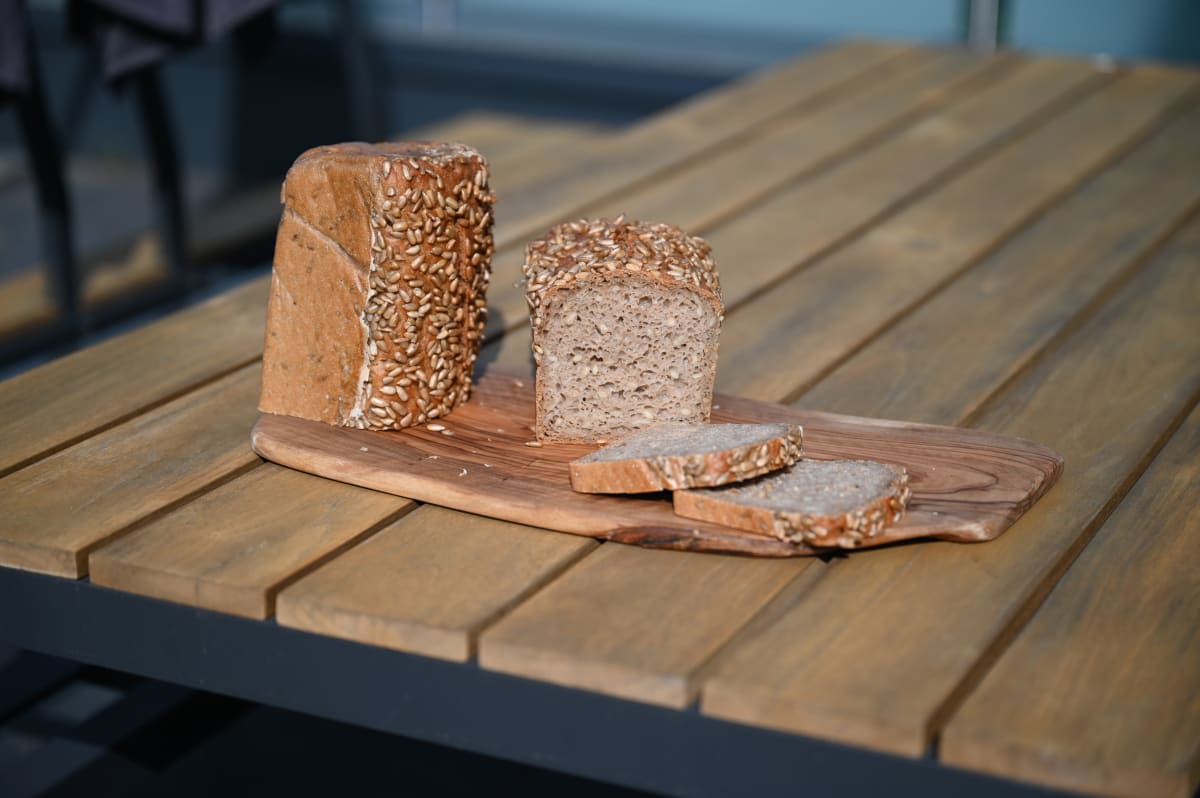
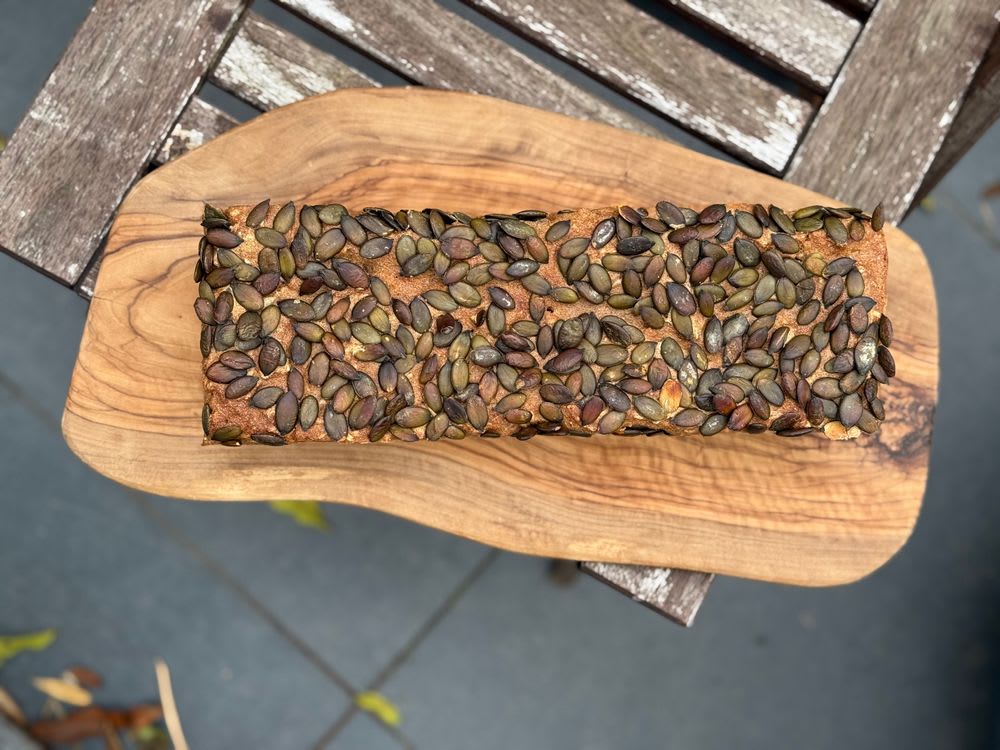
About Rye Breads
Rye breads form a spectrum, not a category. Light wheat-rye blends with 15 to 30% rye behave mostly like wheat dough. Medium rye at around 50% requires sourdough acidification to manage. At the far end sit the 100% pure ryes (German Roggenbrot, Danish rugbrød), which have no gluten structure and are bound entirely by pentosans and starch. Where wheat bread builds structure through gluten, rye bread builds it through soluble fiber and starch gelatinization. That single fact explains nearly everything about working with rye: shorter mixing, no kneading, wetter doughs, longer fermentation, lower oven temperatures, and a multi-day rest after baking before slicing.
Characteristics
Hydration climbs with rye percentage. 65 to 70% for light blends, 80 to 95% for high-rye, and 95%+ for 100% rye doughs that pour rather than hold shape. Acidification matters too. Rye starch is vulnerable to amylase enzymes that liquefy the crumb during baking unless dough pH stays below 4.3. That's why nearly all traditional rye breads are sourdough-leavened: the acid both flavors the bread and protects it structurally. Bulk fermentation runs warm (28–30°C) and surprisingly short, 1 to 3 hours, because rye breads don't depend on gluten development. Bakes are long and low: 240°C start, dropping to 180°C, for 60 to 90 minutes total.
Tips for getting it right
Don't try to knead rye dough. There's no gluten to develop, and overworking it breaks the pentosan-starch matrix. Mix until ingredients are combined, scrape into a greased pan, and walk away. Rye loaves must rest 24 to 48 hours after baking before slicing. The crumb fully sets and the flavor matures during this rest. Cut too early and you'll find a gummy texture that looks underbaked but isn't. Use a wet hand or wet spatula for shaping, because rye dough sticks to dry surfaces aggressively. If your rye crumb has large irregular holes, the bake was too short. If it's gummy throughout, your starter wasn't acidic enough.